

Where Can You Buy Fair Trade Gifts Online?
Quick Summary
You can buy fair trade gifts online from specialty retailers that name their artisans and show the country of origin, materials and pricing for each product. Compare total cost, shipping thresholds and return terms before you order, since these decide the real price.
- Check that each product page names the maker, country of origin and materials.
- Confirm that the retailer's fair trade membership covers the specific item you want.
- Add item price, shipping, sales tax and gift-wrap fees to get the true total.
- Check the free-shipping minimum, which applies to the whole order subtotal.
- Order early to leave room for made-to-order production and returns.
Want a handmade gift with a story?Papillon Marketplace sells artisan goods from Haiti, with fair-trade ornaments, pottery and apparel.
Shop Fair Trade Gifts
Table of Contents
- What Makes a Gift Fair Trade
- How to Verify Fair Trade Products Before You Buy
- Where to Buy Fair Trade Gifts Online: Marketplaces Compared
- Shipping, Returns, and Total Cost: What to Compare
- Fair Trade Gifts for Women: Picking by Recipient and Budget
- Fair Trade Gifts for Men: Choosing Pieces That Fit
- Placing Your First Fair Trade Order This Season
- Frequently Asked Questions
What Makes a Gift Fair Trade
Last Updated: November 21, 2026
Fair trade gifts are products made under agreements that pay artisans fair wages, set safe working conditions and support community development. For shoppers in the United States, buying fair trade means choosing items where the maker, not a middleman, captures more of the price. At Papillon Marketplace, we curate handmade goods from Haitian artisans.
A fair trade gift usually has three traits. The maker is named or identifiable. The price reflects labor and materials, not just what the market will bear. And the buyer's money moves back toward the people who made the item, often through training, steady work or cooperative ownership.
Handmade is not the same thing as fair trade. A hand-painted item can still come from a factory with poor pay. Ask who made the product, where, and under what terms. Clear answers are a good sign. Vague marketing language about "artisans" with no details is not.
How to Verify Fair Trade Products Before You Buy
Check the seller's own sourcing information first.
Ask a few direct questions before you order:
- Who makes this item, and where?
- Are artisans paid a set fee or a share of sales?
- Does the seller work with a recognized fair trade network or membership organization?
- Can the seller describe their training or employment programs?
Watch out: a "fair trade" label on a product tells you little without a named producer. Treat a generic claim with no supporting detail as a reason to look further.
Where to Buy Fair Trade Gifts Online: Marketplaces Compared
Most fair trade shopping guides point you to a single storefront. That is not much help when you are trying to choose between them. Use the criteria below to compare any online fair trade retailer, then apply them to the sellers you are considering.
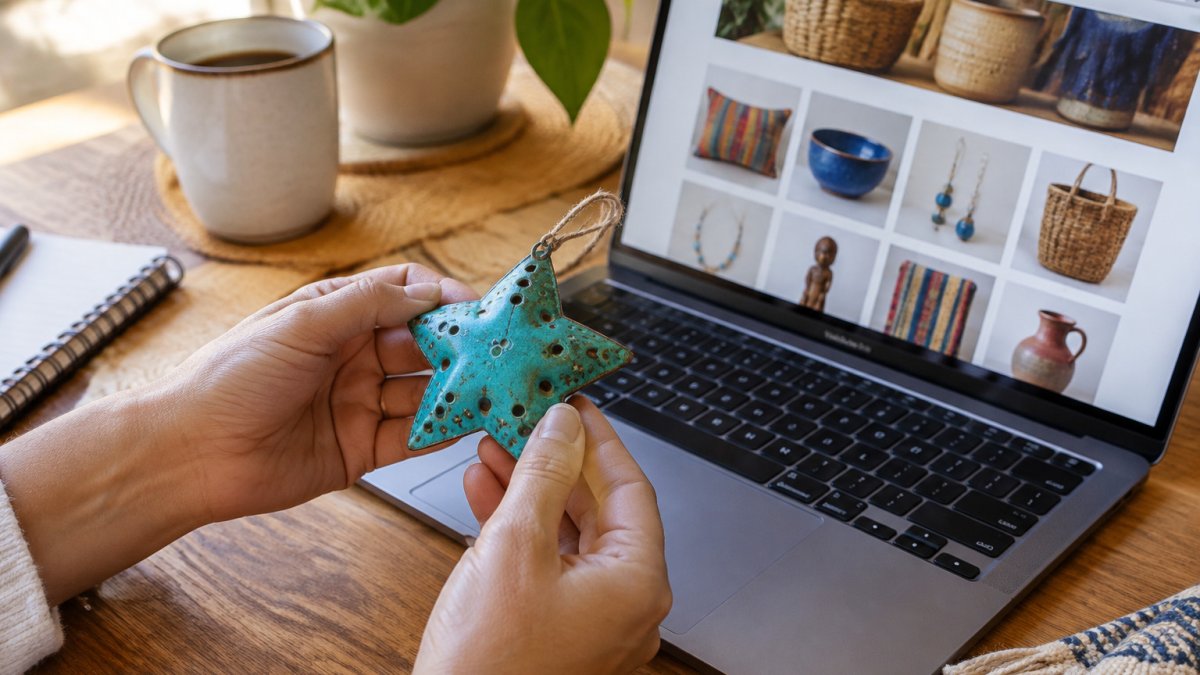
The comparison criteria that actually matter
- Product range and category depth. Does the shop carry enough in the category you need (jewelry, kitchen and dining, home decor, candles and textiles, ornaments) to compare options, or is it a single-craft shop?
- Sourcing transparency. Does each product page name the artisan group, the country of origin, and the materials? Or does the site only describe its mission on an About page?
- Certification and membership. Is the retailer a member of a recognized fair trade network, or does it carry third-party certification for specific products? Membership and certification are verifiable; a banner that says "fair trade" is not.
- Shipping thresholds and delivery windows. What is the free-shipping minimum, what carrier is used, and what is the stated production or handling time for made-to-order items?
- Return policy. What is the return window, are handmade variations excluded, and who pays return shipping?
- Gift services. Can you add gift wrap, a gift message, and ship directly to the recipient with the price hidden?
Papillon Marketplace: Handmade Goods from Haiti
Papillon Marketplace sells handmade artisan goods from Haiti, including metal art, pottery and holiday pieces. Its ornaments are hand-crafted from recycled steel drums or ceramic. Our bestseller, the Red Painted Star Nativity Ornament, costs $10.00 and measures 3.5 inches square. For a heart-shaped option, the Heart Nativity Ornament costs $12.00. Each piece is individually made, so color and detail vary slightly.
Other Online Fair Trade Retailers Worth Checking
Several established fair trade and ethical retailers operate online in the United States. Compare their sourcing details, product categories and shipping terms before you choose. The Ten Thousand Villages (omitted from link list) and similar shops publish their artisan partnerships, which helps you judge how transparent each one is.
A practical way to run the comparison: open the same product category (say, ornaments or mugs) on two or three retailers, and check whether the product page names the maker and origin. If a product page gives you no maker, no country, and no materials, treat that as a data point in the comparison rather than a reason to stop shopping.
Watch out: a retailer's membership in a fair trade network does not automatically certify every product it sells. Check the specific item, not just the storefront badge.
Shipping, Returns, and Total Cost: What to Compare
The sticker price is only part of the cost. Add shipping, taxes and any handling fees to get the real total. Free shipping thresholds can make a small order cost more than a larger one, so check whether you can reach the threshold easily.
Build a total-cost estimate before you check out
For each retailer, write down four numbers: item price, shipping charge, estimated sales tax, and any gift-wrap or handling fee. Add them. A $10.00 ornament with $6.00 shipping costs more than a $14.00 ornament with free shipping over a stated threshold. If you are ordering several gifts, compare the total for the whole basket, not per item, because thresholds apply to the order subtotal.
Shipping questions to answer before ordering
- What is the free-shipping minimum, and does it apply to the item you want?
- Is the item in stock or made to order? Made-to-order pieces often carry a stated production window before shipping starts.
- Which carrier is used, and is tracking included?
- What is the cutoff date for delivery before a holiday, and is that date stated on the site or only in a banner?
Order early in the holiday season to leave room for delivery and any returns. If a retailer does not publish a holiday cutoff date, ask before you order rather than assuming standard delivery times will hold.
Return policy details that decide the purchase
Handmade items can vary in finish and size, so a clear return window matters. Confirm four things: the length of the return window, whether handmade variation counts as a defect or as an accepted characteristic, who pays return shipping, and how damaged items are handled. A seller that accepts returns for damage but not for color variation is telling you something useful about how it describes its own products.
Sending gifts directly to the recipient
If you are shipping straight to someone else, check whether the retailer offers gift wrap, a gift message, and a packing slip without prices. These services sometimes add a fee, so include them in your total-cost estimate. Confirm the recipient's address before ordering, since a reshipment can cost as much as the original shipping charge.
Watch out: a low item price plus paid shipping and paid return shipping can make a small gift cost more than a higher-priced item from a retailer with a clear, generous policy.
The article breaks down the key numbers and policy points to check before you order.
| Item | What to check | Note |
|---|---|---|
| Total cost | Item price + shipping + sales tax + gift-wrap fee | Compare the whole basket, not each item |
| Free-shipping minimum | Does it apply to your item? | Thresholds apply to the order subtotal |
| Made-to-order items | Stated production window | Confirm before shipping starts |
| Return window | Length of time to return | Confirm the window length |
| Return shipping | Who pays | Can add significant cost |
| Handmade variation | Counted as defect or accepted trait | Affects whether color differences are returnable |
| Holiday cutoff date | Published on site or only in a banner | Ask before ordering if not published |
| Gift services | Gift wrap, gift message, unpriced packing slip | Some add a fee |
Fair Trade Gifts for Women: Picking by Recipient and Budget
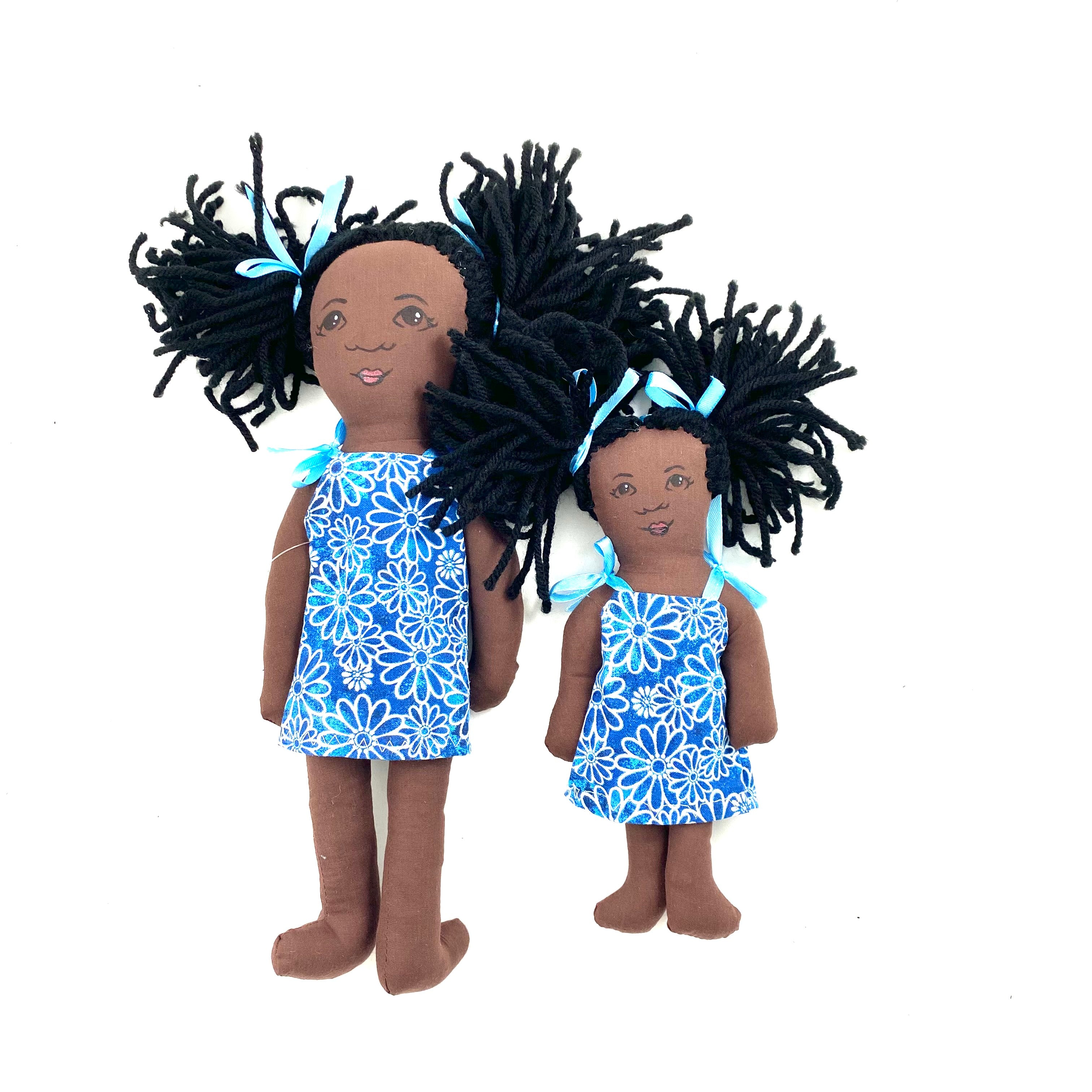
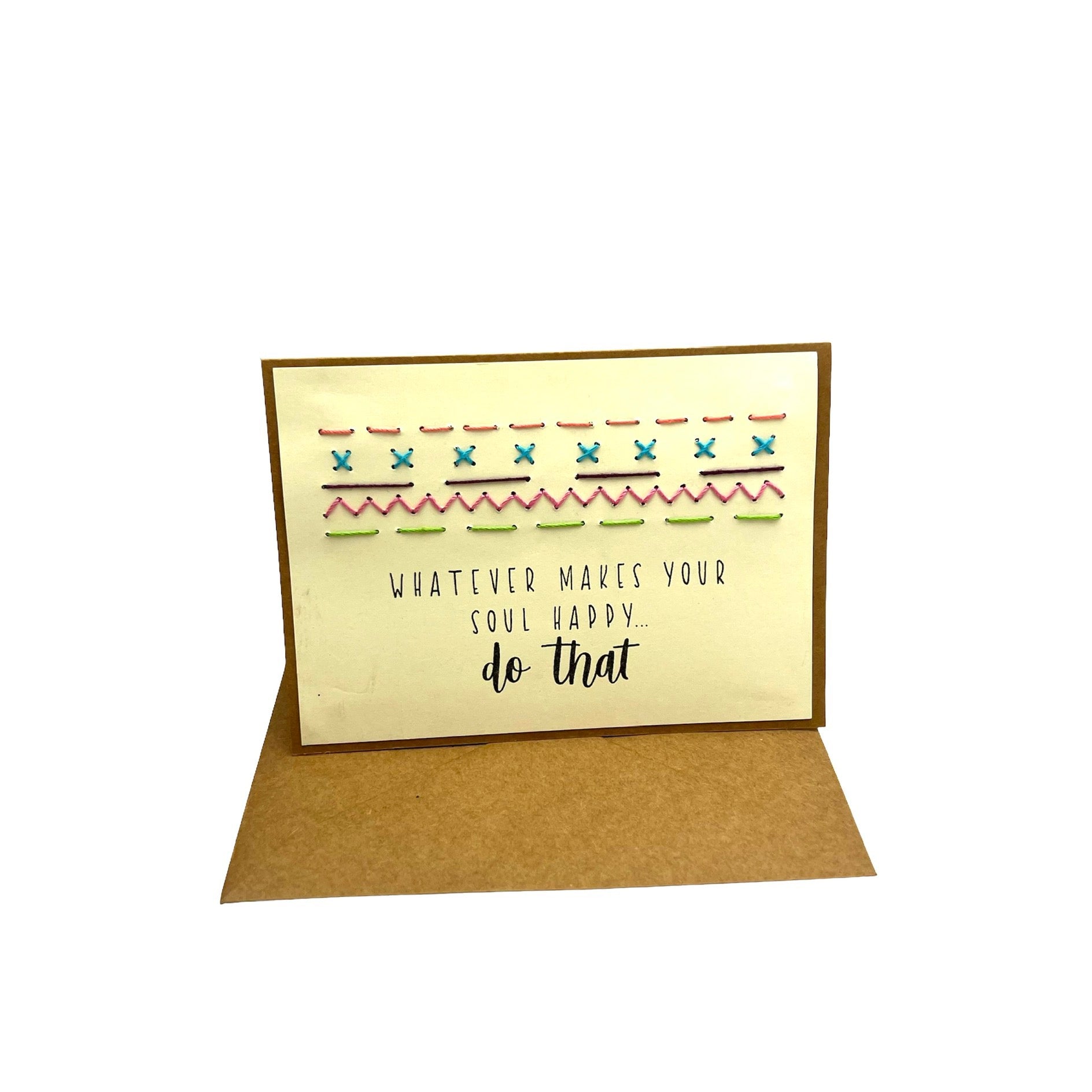
For a woman on a budget, small handmade pieces make thoughtful gifts. A handmade card option is a good starting point when the budget is tight, and it still signals care. For a larger gesture, a Mother Daughter Haitian Doll Set works well for a mother, daughter or sister.
Match the gift to the recipient's taste. Bold colors suit people who enjoy statement décor, while muted ceramics fit a minimalist home. Set a budget before you browse so you can compare options at the same price point.
Fair Trade Gifts for Men: Choosing Pieces That Fit
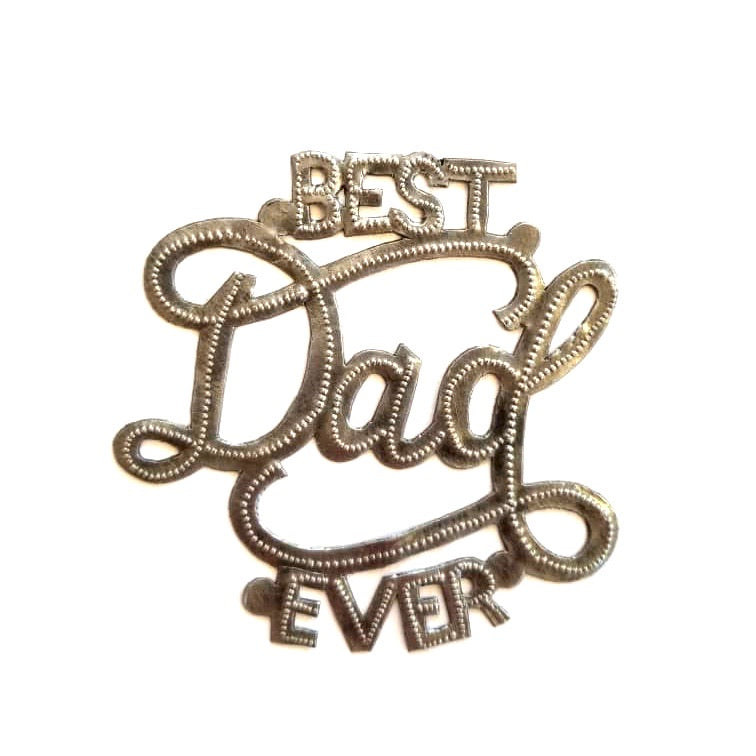
Men often prefer practical or understated gifts. A Best Dad Ever piece is a simple, sentimental choice for a father. For a casual option, a Haiti travel tee in an eco triblend fabric suits everyday wear.
Think about how the gift will be used. A wall ornament suits a home office, while apparel works for someone who already has a favorite style. When in doubt, pick something the recipient can use every day.
Placing Your First Fair Trade Order This Season
Start by choosing two or three sellers and comparing their sourcing details, shipping costs and return terms. Order early in the holiday season to leave room for delivery and any returns. Keep your order confirmation so you can track the item and check the seller's policies later.
When the order arrives, check the item against the product description, especially size and color. A good seller will answer questions quickly and make a problem right. That reliability matters as much as the product itself.
Frequently Asked Questions
Where can I find fair trade stores online?
Fair trade stores online include dedicated marketplaces such as Papillon Marketplace, which sells handmade goods from Haiti, along with other established fair trade retailers. Start with shops that name their artisan partners, show where each item is made, and explain how producers are paid. A clear About page and product-level origin details are better signs than a generic fair trade badge on the homepage. Compare shipping thresholds and return policies before you check out, since these vary widely between retailers.
How can I tell whether an online gift is genuinely fair trade?
Look for specific claims rather than broad wording. A genuine fair trade retailer names the artisan group or workshop, states where the product was made, and explains how producers are paid, usually on a fair wage basis. Check whether the retailer participates in an established fair trade program and whether it publishes its standards. Vague phrases like conscious or ethically inspired are not proof. Asking the retailer directly how artisans are compensated is a reasonable test, and a trustworthy shop will answer clearly.
Are handmade gifts always fair trade?
No. A handmade product can be made by someone paid very little, or by a workshop that exploits its workers. Handmade describes how an item is made, while fair trade describes the terms under which producers work and are paid. An item can be both, but you need to check. Look for information about the artisan group, fair wage practices, and working conditions. Papillon Marketplace, for example, describes its items as handmade by Haitian artisans, which is the kind of detail worth looking for elsewhere too.
How do I choose a fair trade gift for someone who has everything?
Choose something with a story they can share, such as a piece with a clear artisan origin or a material with a distinct local tradition. Small decorative pieces, like a steel drum star ornament at about 3.5 inches for $10.00, work well as low-pressure gifts that still carry meaning. Think about what the recipient already uses and what they would notice. A handmade item from a shop that names its artisans often reads as more thoughtful than a generic gift card, especially for people who value the origin of what they own.
